Best and Worst Months to Visit Bali in 2026
July and August are Bali's peak months for sunshine and festivities, while January and February bring the heaviest rain. Plan smart and enjoy the island year-round.
The best months to visit Bali are July, August, and September, when dry skies, low humidity, and lively cultural events make the island feel its most vibrant. The worst months for weather are January and February, which sit in the heart of the wet season and can bring persistent daily downpours. That said, every month in Bali has something to offer if you know what to expect.
The Dry Season: May Through October
Bali's dry season runs from May to October, and this window is widely considered the ideal time to visit. Temperatures hover comfortably between 26 and 32 degrees Celsius across most of the island. Humidity drops noticeably compared to the wet season, making outdoor activities like hiking Mount Batur, surfing Uluwatu, and cycling the rice terraces around Ubud far more enjoyable.
July and August are peak months for international tourism, which means beaches and popular temples can feel crowded. Accommodation rates in Seminyak, Canggu, and Ubud climb significantly during this window, so booking several months in advance is strongly recommended for 2026 travel. September is a quieter and increasingly popular alternative. Visitor numbers thin out slightly after the European summer holiday rush, prices soften, and the skies remain reliably clear through most of the month.
October sits at the shoulder of the dry season. You may catch a few late-afternoon showers, but mornings are typically sunny and most days are still excellent for travel.
The Wet Season: November Through April
Bali's wet season begins in November and peaks between December and February. Rain usually falls in intense afternoon or evening bursts rather than lasting all day, so mornings can still be bright and usable for sightseeing. However, January and February see the most consistent rainfall and the highest chance of flooding on low-lying roads, particularly around Denpasar and parts of Ubud.
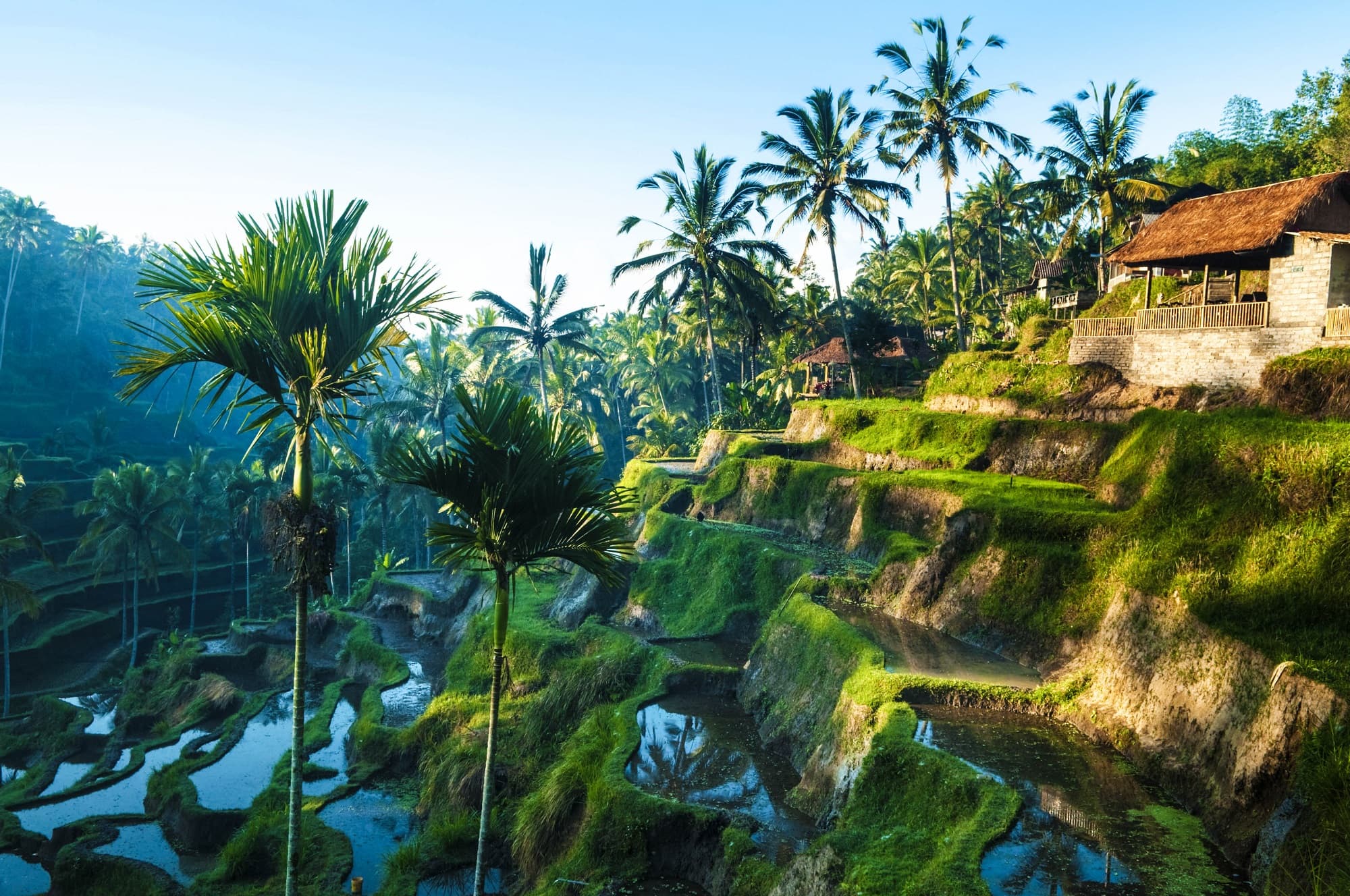
The wet season does have genuine advantages. Rice paddies turn an electric green, waterfalls around Munduk and Gitgit run at full force, and the island feels noticeably less crowded outside of the Christmas and New Year peak. Accommodation prices drop across nearly all categories, and you can find genuine value at properties that charge premium rates in July and August.
March and April signal the tail end of the wet season. Showers become shorter and less frequent, the landscape is still lush, and traveler numbers remain manageable. Nyepi, the Balinese Day of Silence, typically falls in March. The island shuts down completely for 24 hours, which is a unique cultural experience but requires careful advance planning if you are flying in or out around that date.
Cultural Events and Festivals to Plan Around
Bali's Hindu calendar shapes a rich schedule of ceremonies throughout the year. In 2026, the Bali Arts Festival runs through June and into July at the Taman Budaya Cultural Centre in Denpasar, showcasing traditional dance, music, and crafts from across the island. Galungan and Kuningan, a ten-day celebration honoring ancestral spirits, occurs twice in certain years according to the 210-day Pawukon calendar. Witnessing these festivals, marked by tall penjor bamboo poles lining village roads, is one of Bali's most memorable experiences.
The Ubud Writers and Readers Festival returns in October and draws authors, thinkers, and cultural figures from across Asia and beyond. If literature and ideas interest you, timing your trip around this event adds a genuinely enriching layer to a Bali holiday.
Quick Month-by-Month Summary
January and February are the wettest and least recommended for beach-focused travel. March and April offer lush scenery and fewer crowds at lower prices. May and June deliver excellent weather before peak-season crowds arrive, making them arguably the smartest months for most travelers. July and August guarantee sunshine but bring the highest prices and the largest tourist volumes. September balances good weather with manageable crowds and softer rates. October is a solid shoulder-season choice with occasional light showers. November through December sees rainfall increasing, though the Christmas and New Year period brings another spike in prices and visitors.
The honest answer is that Bali rewards travelers in every season. Matching your timing to your priorities, whether that means perfect surf, cultural immersion, budget value, or quiet temple visits, will do more for your trip than chasing any single ideal month.
Frequently Asked Questions
Is June a good month to visit Bali?
Yes. June sits at the start of the dry season and offers excellent weather with lower prices and smaller crowds than July and August. The Bali Arts Festival also runs through June, adding strong cultural appeal to the month.
Can you still enjoy Bali during the wet season?
Absolutely. Rain typically falls in short afternoon bursts rather than lasting all day. Mornings are often sunny, prices are lower, crowds are thinner, and the landscape is strikingly green. January and February require the most flexibility, but the other wet-season months are perfectly manageable.
When is Bali least crowded?
The quietest periods are generally February through early May and late October through mid-November. These months sit outside the main European and Australian school holiday windows and see noticeably fewer international visitors, particularly at popular spots in Seminyak, Ubud, and the Bukit Peninsula.
What month is cheapest to visit Bali?
January and February tend to offer the lowest hotel and villa rates across the island, as they fall in the wet season and outside major holiday periods. March and April also offer strong value with improving weather as the wet season winds down.
When does Nyepi fall in 2026 and how does it affect travel?
Nyepi in 2026 falls in March. On this Day of Silence, Bali's international airport closes for approximately 24 hours, all roads are empty, and lights and noise are minimized island-wide. Travelers must stay inside their accommodation for the full day. Book flights carefully to avoid this date or embrace the experience as a rare cultural moment.