Best Time to Visit Bali: Weather and Seasons Guide
Bali has two main seasons: dry (April to October) and wet (November to March). Choose based on your priorities: dry season for perfect weather and activities, wet season for fewer crowds and lower prices.
Bali operates on two distinct seasons that dramatically affect your experience. The dry season runs from April to October, when trade winds from Australia bring stable, sunny weather with minimal rainfall. Daytime temperatures hover around 28-30°C (82-86°F) with low humidity, making this the peak tourist season. The wet season spans November to March, characterized by afternoon downpours, higher humidity (up to 90%), and temperatures reaching 31-33°C (88-91°F). While wet season sounds unappealing, it's when Bali truly reveals itself to patient travelers who time their activities around weather patterns.
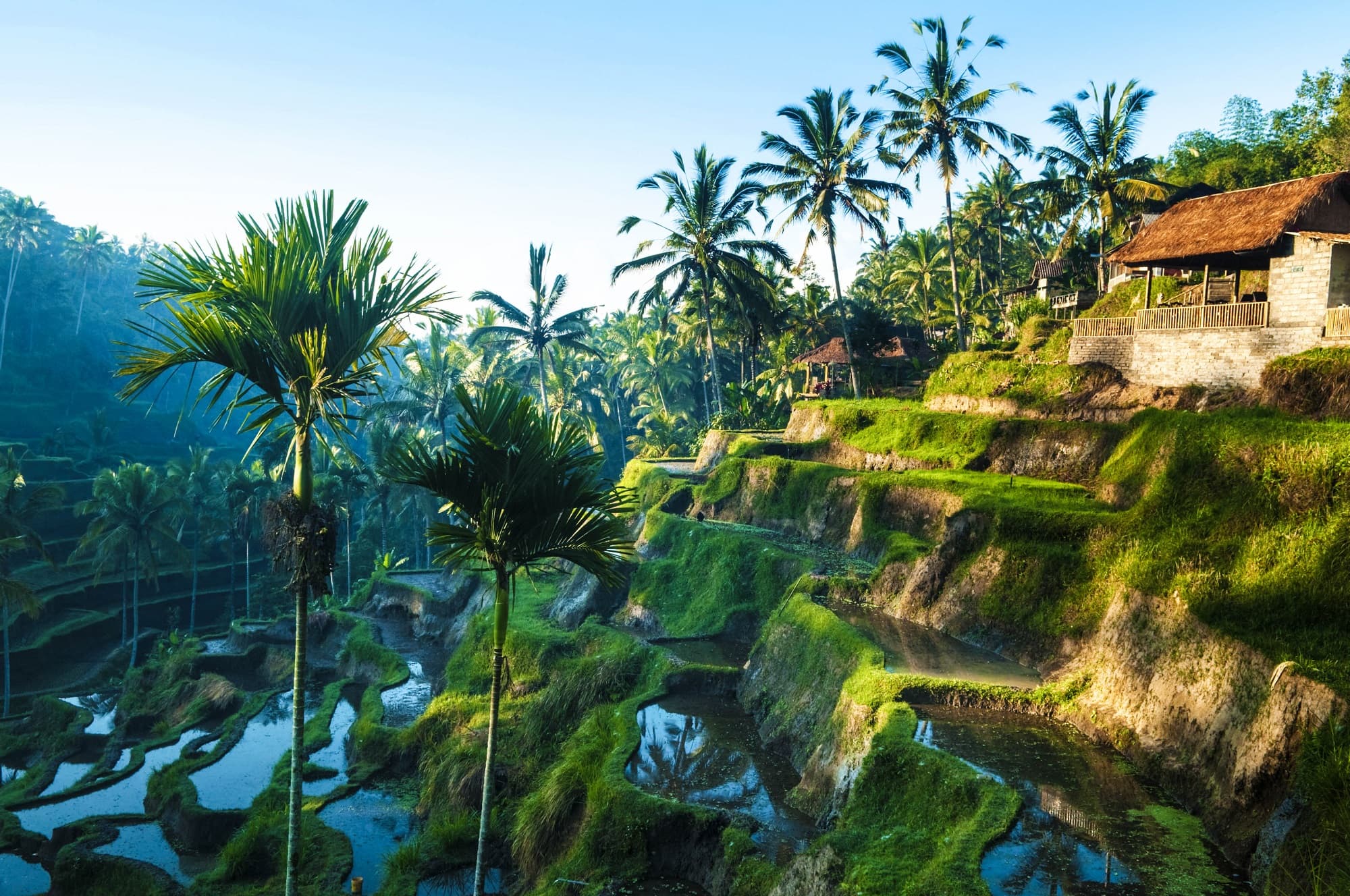
April to June represents the sweet spot for most visitors. Rain has stopped, humidity drops noticeably, and tourist numbers haven't peaked yet. Hotel rates remain reasonable compared to July-August, though availability tightens mid-month. Visibility for diving and snorkeling is excellent. May specifically offers the best combination: stable weather, manageable crowds, and competitive pricing. June through August sees international school holidays, so expect full resorts and peak prices, but you'll have guaranteed dry conditions for hiking Mount Batur or exploring rice terraces.
July and August are Bali's absolute busiest months due to Northern Hemisphere summer holidays and Australian winter break. Accommodation prices surge 40-60% above low season rates. Popular beaches become crowded by 10 AM, restaurant reservations fill weeks ahead, and traffic in Ubud becomes genuinely frustrating. If you must visit during this period, book everything two months in advance and consider staying in less touristy areas like Sanur or East Bali. September-October remains dry but sees gradual crowd reduction and price decreases.
The wet season (November to March) receives unfair criticism. While you'll encounter afternoon rain showers lasting 30 minutes to two hours, mornings are typically clear. December and January see the heaviest rainfall concentrated between 2-6 PM, yet mornings remain perfect for activities. Water sports enthusiasts actually prefer November-February for uncrowded waves. Hotel prices drop 30-50%, meaning luxury resorts become accessible. December's New Year period and January see temporary price spikes as expats and domestic tourists visit. February and early March offer the lowest rates and fewest tourists of any period, ideal for budget travelers and those seeking authentic experiences.
Monsoon months (December-January) bring occasional landslides on mountain roads and can affect boat schedules to nearby islands, but rarely disrupt land-based activities for more than a few hours daily. If visiting during wet season, book accommodation with reliable roofing, plan flexible itineraries, and embrace indoor activities like temple visits, cooking classes, and art galleries during afternoon downpours. The trade-off is rewarding: jungle hikes are lush, waterfall flows are spectacular, and you'll experience Bali as locals do without constant tourist crowds.
Bali's shoulder seasons (late September-November and late February-March) offer optimal balance. These months receive the least consideration from guidebooks, yet deliver 80% of dry season's weather with 40% of peak season's crowds and prices. October offers warm days, clear skies, and reasonable accommodation availability. March sees post-monsoon freshness in rice paddies and minimal rainfall compared to earlier wet months. For travelers with flexible dates, these windows represent the best value and experience combination. Book 2-4 weeks ahead rather than several months, and you'll secure quality accommodation at reasonable rates while exploring a more authentic Bali.
Frequently Asked Questions
What is the absolute best month to visit Bali?
May offers the optimal combination of guaranteed dry weather, lower humidity, manageable tourist crowds, and reasonable prices. June-August guarantee perfect weather but attract peak crowds. For fewer tourists with good weather, choose September-October or late February-March instead.
Is Bali worth visiting during the wet season?
Yes, absolutely. November-March means 30-50% cheaper accommodation, nearly empty beaches and attractions, and authentic local experiences. Afternoon rain rarely lasts beyond two hours, and mornings are typically clear. February-early March specifically offers the lowest prices with decreasing rainfall.
When should I visit Bali to avoid crowds?
February-March and September-October have noticeably fewer tourists than peak season (July-August). Late October and February are particularly quiet. If avoiding crowds is your priority, sacrifice some weather certainty and book during these shoulder seasons instead of dry season peaks.
Does it rain every day during Bali's wet season?
No. Rain typically falls as afternoon downpours lasting 30 minutes to two hours. Mornings are usually clear and suitable for activities. December-January see the heaviest rainfall, but November, February, and March have significantly less rain. Plan flexible daily schedules rather than assuming day-long rain.
When is hurricane season in Bali?
Bali doesn't experience hurricanes or typhoons. The region sits in the tropical wet/dry climate zone without cyclone activity. The wet season brings heavy monsoon rains and occasional strong winds, but not severe weather events that would cancel activities or threaten safety.
Your next step in Bali
Everything you need to settle in, all on our site.
Living in Bali? Get the Sunday briefing.
The news, visa changes, and events that matter when Bali is home. One email a week.