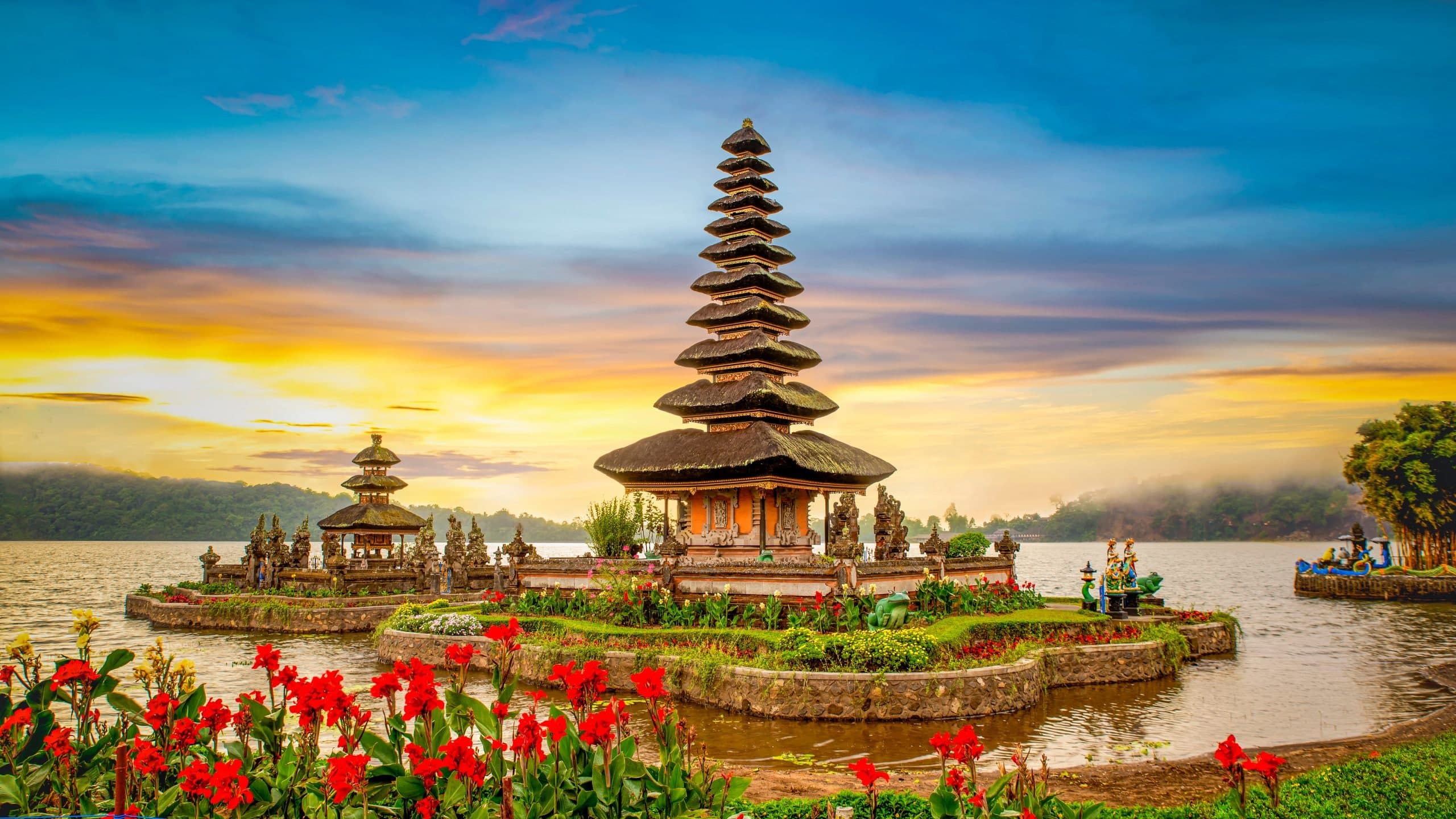
Top 10 Things to Do in Bali in 2026
From ancient temples to terraced rice fields, Bali offers something for every traveller. Here are the top 10 experiences you should not miss in 2026.
Bali in 2026 remains one of the world's most rewarding travel destinations, blending spiritual culture, dramatic landscapes, and world-class dining into a single island experience. Whether you are a first-time visitor or a returning traveller, this list covers the ten experiences that define a genuinely memorable Bali trip.
Temples, Ceremonies, and Cultural Highlights
Visiting Tanah Lot is still one of the most iconic things to do in Bali. This sea temple sits on a rocky outcrop just offshore and is especially dramatic at sunset. Arrive about 45 minutes before sunset to find a good viewing spot. Dress modestly and rent a sarong at the entrance if you do not have one.
Uluwatu Temple, perched on a 70-metre cliff on the Bukit Peninsula, offers equally stunning ocean views and hosts a nightly Kecak fire dance performance starting at 6 PM. The combination of the dance, the cliff setting, and the sunset makes this one of the most photographed evenings in all of Southeast Asia.
Besakih Temple, known as the Mother Temple, sits on the slopes of Mount Agung and is the largest and holiest Hindu temple complex on the island. Hire a certified local guide before entering to navigate the complex respectfully and get accurate historical context.
Nature, Landscapes, and Outdoor Adventures
The Tegalalang Rice Terraces near Ubud are a UNESCO-recognized cultural landscape and a must-see. The best time to visit is early morning, before 8 AM, when the light is soft and crowds are still thin. Many small cafes along the ridge now offer swing and photo activities, though the walk through the terraces themselves remains free.
Mount Batur sunrise trekking is one of the most popular outdoor activities in Bali. The hike to the 1,717-metre summit takes about two hours and departs around 4 AM. A licensed guide is required. The reward is a panoramic view of the caldera lake and, on clear mornings, a view stretching to Mount Agung and Mount Rinjani on Lombok.
The Nusa Penida day trip from Sanur or Padang Bai brings you to dramatic sea cliffs, the famous Kelingking Beach viewpoint, and crystal-clear snorkelling sites including Manta Point, where manta rays gather year-round. Book a tour through a registered operator and confirm your boat is coast-guard certified.
Food, Wellness, and the Ubud Scene
Ubud continues to be the cultural and culinary heart of Bali in 2026. Spend at least a full day exploring the Ubud Market in the morning, the Ubud Palace courtyard, and the many galleries lining Monkey Forest Road. The Sacred Monkey Forest Sanctuary is worth a short visit, though keep belongings secured around the macaques.
Bali's food scene has continued to grow in sophistication. Try a traditional babi guling, a slow-roasted suckling pig dish, at a warung in Gianyar or central Ubud for an authentic local experience. For upscale dining, the restaurants around Seminyak and Canggu now offer some of the best modern Indonesian cuisine in the region. The Seminyak restaurant strip and the Berawa area of Canggu are both worth an evening stroll.
A Balinese massage is an essential part of any visit. Traditional Balinese massage combines gentle stretching, acupressure, and aromatic oils. Prices range from around 100,000 to 300,000 IDR per hour at reputable spas in Ubud and Seminyak. Avoid unlicensed street-side operations and book through your accommodation when possible.
Beaches and Coastal Life
Bali's southern coast offers beach experiences for every preference. Seminyak and Kuta are ideal for surf lessons and beach clubs with organized sunsets. Bingin and Padang Padang on the Bukit Peninsula are smaller, quieter, and favoured by experienced surfers. Sanur on the east coast has calm, shallow waters and a relaxed promenade lined with warungs and cafes, making it excellent for families and older travellers.
Finish your Bali trip with a visit to a beach club for sundowners. Venues along the Seminyak coast and at Uluwatu consistently deliver some of the best sunset views available anywhere in the Indian Ocean. Book a table in advance, particularly on weekends, as popular spots fill up quickly year-round.
Frequently Asked Questions
How many days do I need in Bali to see the top attractions?
A minimum of seven days gives you enough time to explore Ubud, the temples, at least one beach area, and a day trip to Nusa Penida. Ten to fourteen days allows a more relaxed pace and covers the north and east of the island as well.
What is the best time of year to visit Bali?
The dry season runs from April through October and is generally considered the best time to visit. July and August are peak months with the most visitors. April, May, and September offer good weather with slightly fewer crowds and lower accommodation prices.
Is Bali safe for solo travellers in 2026?
Yes, Bali is considered very safe for solo travellers, including solo women. Standard precautions apply: use registered taxis or ride-hailing apps, keep valuables secured, and stay aware of your surroundings at busy markets and tourist sites.
Do I need a visa to visit Bali as a tourist?
Most nationalities can obtain a Visa on Arrival at Ngurah Rai International Airport, valid for 30 days and extendable once for another 30 days. Fees and eligible nationalities can change, so check the official Indonesian immigration website before you travel.
What should I wear when visiting temples in Bali?
Visitors must cover their shoulders and wear a sarong below the waist when entering most Balinese temples. Sarongs and sashes are available for rent or purchase at the entrance of all major temple sites. Avoid sleeveless tops and shorts when planning a temple visit.