What Should You Not Miss in Bali? Top Experiences 2026
Bali offers temples, rice terraces, surf beaches, and rich culture. This guide covers the must-see experiences for every type of traveller in 2026.
Bali rewards visitors with an extraordinary mix of spiritual culture, dramatic landscapes, world-class surf, and some of the most creative food and wellness scenes in Southeast Asia. Whether you are visiting for the first time or returning after years away, certain experiences remain essential and genuinely transformative. Plan your trip around these highlights and you will leave with a far richer understanding of what makes this island so compelling.
Sacred Temples and Cultural Landmarks You Must Visit
Bali's temple culture is the beating heart of the island, and skipping it means missing the most distinctive thing about this destination. Tanah Lot, perched on a rocky outcrop above the Indian Ocean, is especially dramatic at sunset and remains one of the most photographed sites in all of Indonesia. Pura Besakih, known as the Mother Temple, sits high on the slopes of Mount Agung and offers a genuinely humbling sense of scale and devotion.
In Ubud, the Goa Gajah elephant cave dates back to the ninth century and sits just minutes from the town center. Always bring a sarong or rent one at the entrance, as respectful dress is required at every temple. If your visit coincides with a local ceremony, pause and observe quietly. The processions, offerings, and gamelan music provide cultural context that no guidebook can fully capture.
Natural Wonders and Outdoor Experiences Worth Your Time
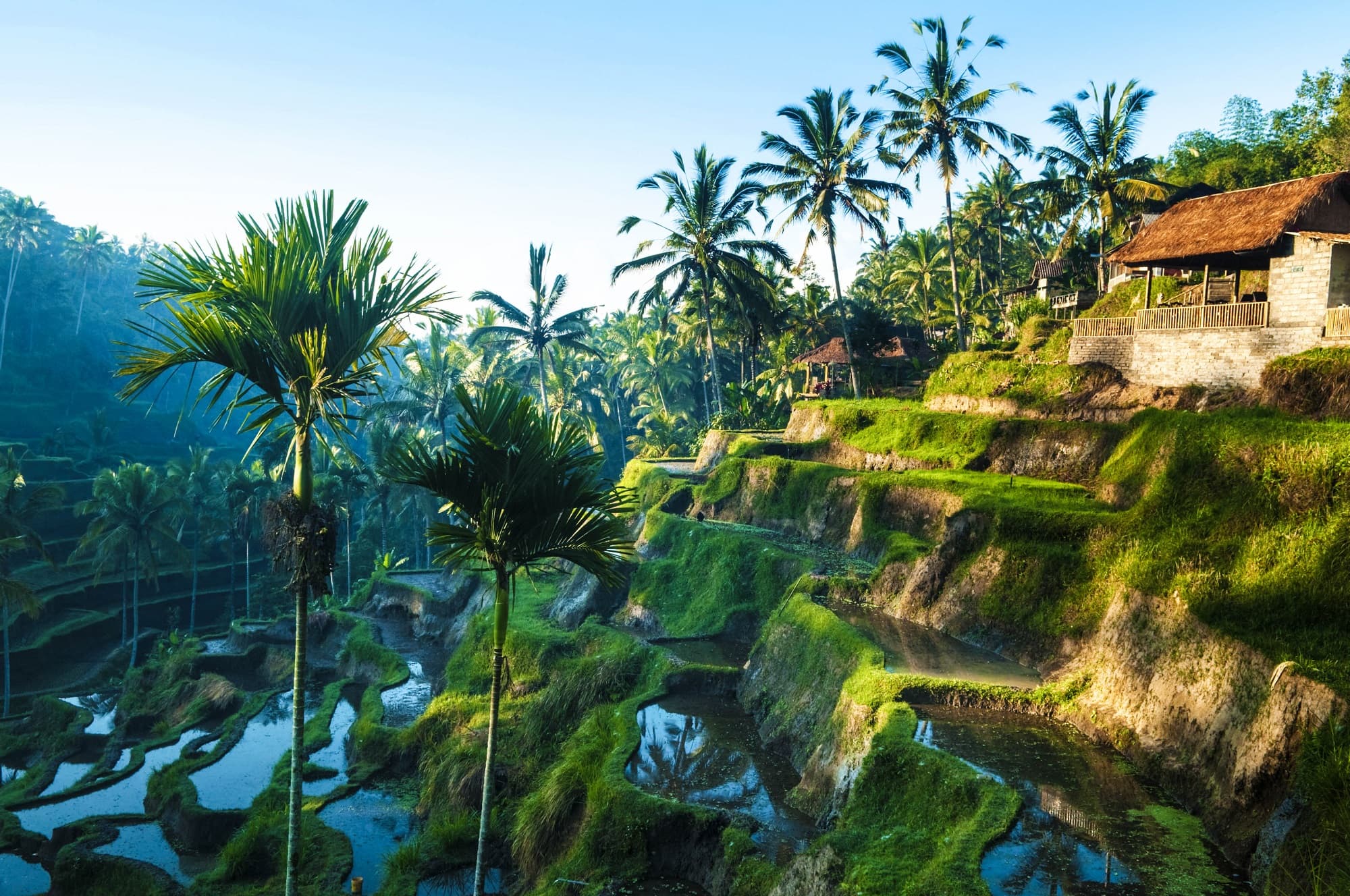
The Tegallalang Rice Terraces north of Ubud are iconic for good reason. The stepped green fields carved into the hillside are beautiful at any time of day, though early morning visits before tour groups arrive give you the clearest views and cooler temperatures. Nearby, the Campuhan Ridge Walk is a free, easy trail through tall grass and jungle that feels remarkably peaceful for something so close to town.
Mount Batur is Bali's most accessible volcano trek and a genuinely rewarding experience. Most guided hikes depart around 2 a.m. to reach the summit by sunrise, and the reward is a panoramic view over the caldera lake and surrounding mountains. For those who prefer the coast, the Nusa Penida day trip from Sanur or Padangbai puts you in reach of Kelingking Beach, Crystal Bay, and the natural formation called Broken Beach. The cliffs and turquoise water there are among the most spectacular coastal scenery in the entire archipelago.
The Food, Wellness, and Creative Scene You Should Explore
Bali's food culture has evolved significantly and in 2026 the island offers everything from traditional warung meals to destination restaurants drawing international attention. Do not leave without trying babi guling, Bali's famous roasted suckling pig, at a local spot in Gianyar or Ubud. Nasi campur, a plate of rice surrounded by small portions of vegetables, meat, and sambal, is the everyday meal that reflects Balinese home cooking at its most honest.
Ubud remains the center of the island's wellness industry, with yoga studios, sound healing sessions, and plant-based restaurants concentrated in a walkable area. Seminyak and Canggu offer a more contemporary creative scene, with independent coffee roasters, concept stores, and beach clubs that have become destinations in their own right. Ku De Ta and Potato Head Beach Club have maintained their reputation for atmosphere and ocean views, though newer venues continue to open and compete for attention.
Practical Tips for Getting the Most Out of Bali
The dry season runs from April through October and is the most popular time to visit, with low humidity and reliable sunshine. The wet season from November through March brings afternoon rains but also fewer crowds and lower accommodation prices. Either season works well depending on your priorities.
Scooter rental is the most flexible way to move around outside of Ubud's center, but only ride one if you have genuine experience on two wheels. For longer distances, use a metered Blue Bird taxi or a ride-hailing app. Arrange airport transfers in advance to avoid aggressive touting at Ngurah Rai International Airport. Most importantly, budget more time than you think you need. Bali has a way of slowing travelers down in the best possible sense, and the experiences that end up mattering most are often the unplanned ones found between destinations.
Frequently Asked Questions
How many days do you need in Bali to see the highlights?
A minimum of seven days allows you to cover Ubud, the southern beaches, and one day trip such as Nusa Penida or Mount Batur. Ten to fourteen days gives you time to explore more deeply without feeling rushed.
Is Bali suitable for solo travellers in 2026?
Yes. Bali is one of the most solo-friendly destinations in Asia. Ubud in particular has a well-developed community of long-term visitors and solo travellers, with co-working spaces, group yoga classes, and social dining options that make it easy to meet people.
What is the best area to stay in Bali for first-time visitors?
Ubud is ideal for first-time visitors who want culture, nature, and wellness. Seminyak or Canggu suits those who prefer beach access, nightlife, and a more contemporary atmosphere. Staying in both areas during a single trip gives you the broadest experience of the island.
Do you need a visa to visit Bali as a tourist in 2026?
Citizens of many countries can enter Indonesia visa-free for up to 30 days. A Bali Tourism Fund fee applies at arrival. Always check the latest entry requirements through the official Indonesian immigration website before you travel, as policies can update.
What should you pack for a trip to Bali?
Pack lightweight, breathable clothing, a sarong for temple visits, reef-safe sunscreen, insect repellent, and a light rain jacket if travelling during the wet season. Comfortable sandals work for most situations, but bring closed shoes if you plan to hike.