Bali Faces Turning Point on Tourist Behavior as Cultural Respect Becomes Critical
With Bali expecting record visitor numbers in 2026, authorities are grappling with how to protect local customs and sacred traditions. The island may learn from international examples of penalizing culturally disrespectful tourist conduct.
Bali stands at a crucial crossroads as tourism projections for 2026 signal unprecedented visitor arrivals to the island. While the economic benefits of expanded tourism are substantial, local authorities and cultural leaders are increasingly concerned about maintaining the integrity of Balinese customs, religious practices, and sacred spaces. The challenge of balancing growth with cultural preservation has become one of the most pressing issues facing the island's tourism sector.
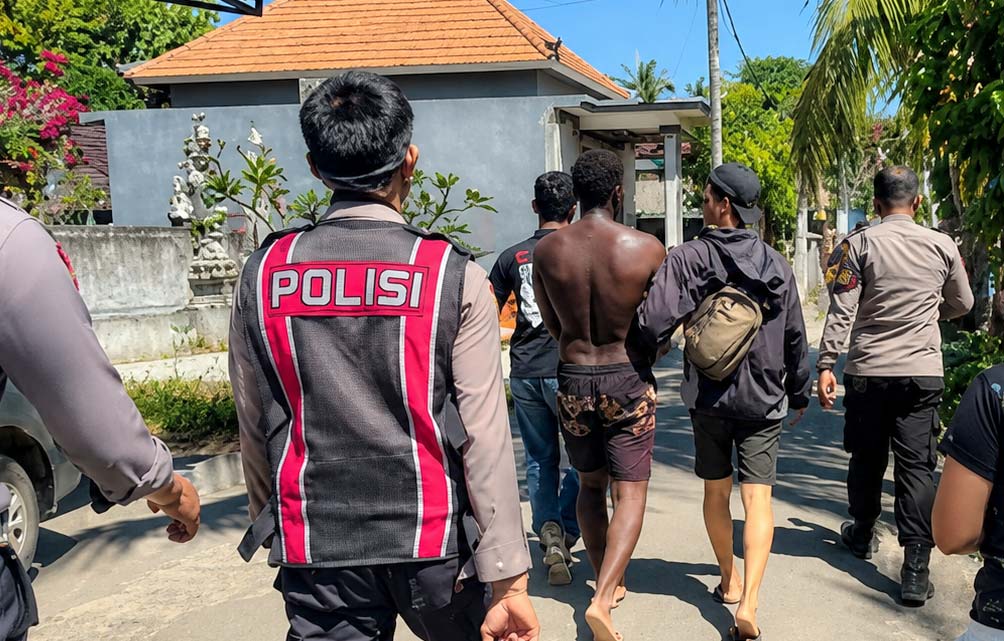
The vast majority of tourists who visit Bali demonstrate genuine respect for local traditions and conduct themselves appropriately in temples, cultural events, and community spaces. However, a growing minority of visitors have shown disregard for Balinese customs, whether through inappropriate clothing at religious sites, disruptive behavior during ceremonies, or disrespectful social media posts that trivialize sacred traditions. These incidents, though often isolated, have prompted serious discussions among government officials, business leaders, and community representatives about establishing stronger accountability measures.
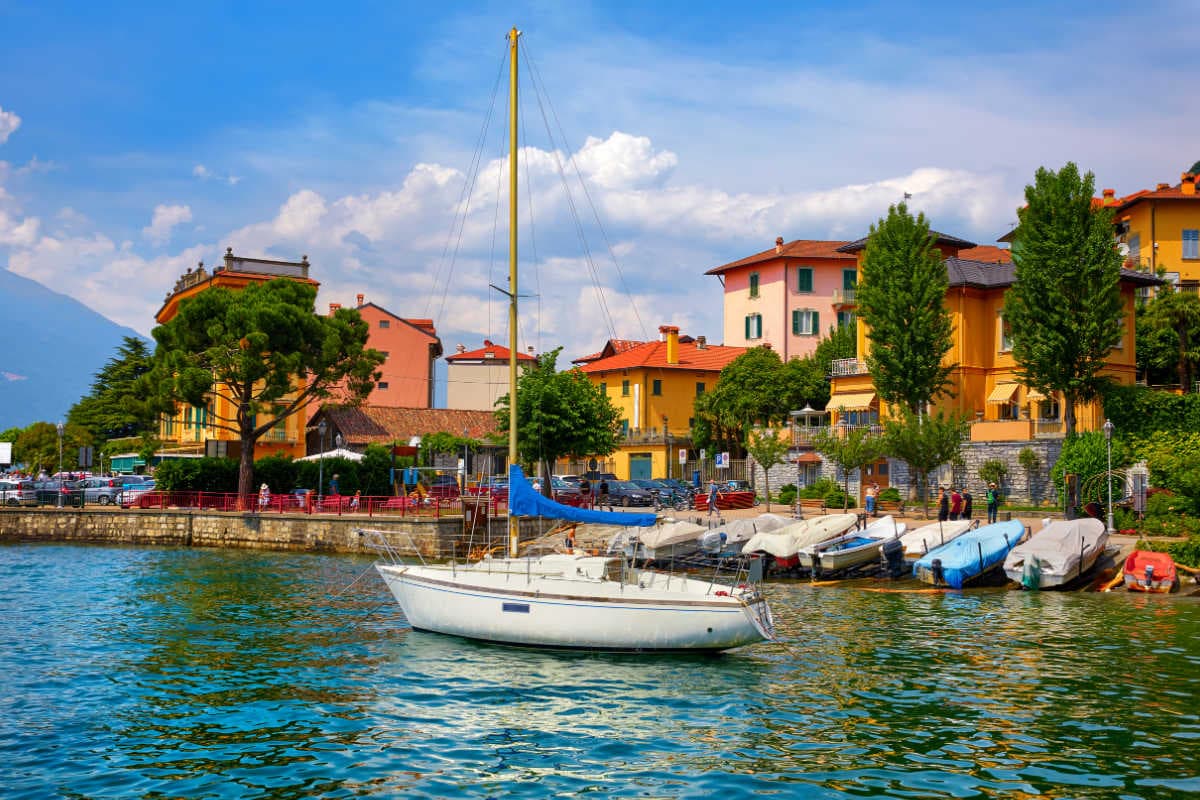
International destinations have begun implementing financial penalties for tourists who violate cultural protocols. Italy has emerged as a notable example, introducing substantial fines for visitors who damage heritage sites or behave in ways deemed culturally inappropriate in protected areas. This approach has generated debate about whether similar enforcement mechanisms could work in Bali, where cultural sensitivity is deeply rooted in daily life and spiritual practice.
Proponents of stricter regulations argue that meaningful penalties could deter intentionally disrespectful behavior and demonstrate to the international community that Bali takes cultural preservation seriously. Such measures could include fines for visitors found wearing inappropriate attire in temples, engaging in disruptive behavior during traditional ceremonies, or creating content that mocks sacred practices. Supporters emphasize that education combined with enforcement creates a comprehensive strategy for protecting local heritage.
Critics express concerns about implementation challenges and the risk of damaging Bali's reputation as a welcoming destination. They question how authorities would fairly apply subjective cultural standards, whether enforcement could be perceived as hostile to tourism, and whether fines alone address the root issue of inadequate visitor education. Many argue that comprehensive pre-arrival orientation programs and clear signage at cultural sites might achieve better results than punitive measures.
Bali's tourism authorities are currently exploring middle-ground approaches that emphasize education alongside gentle enforcement. Enhanced orientation materials, mandatory cultural briefings for tour operators, and improved signage at temples and sacred spaces aim to prevent violations before they occur. These proactive measures reflect an understanding that most visitors genuinely want to respect local customs but may lack awareness of specific cultural protocols.
As Bali prepares for record tourism numbers, the conversation about cultural respect will likely intensify. Whether the island adopts penalties similar to those in Italy or pursues alternative strategies, the underlying commitment to preserving Balinese culture while welcoming visitors will define tourism's future success. The path forward requires balancing economic growth with genuine respect for the island's unique spiritual and cultural identity.