Bali's Waste Management Crisis Draws International Media Attention
International broadcasters are highlighting Bali's ongoing struggle with waste management and environmental sustainability. The island faces critical challenges in handling growing volumes of tourism and residential waste.
Bali's waste management challenges have captured the attention of major international media outlets, bringing renewed focus to one of the island's most pressing environmental issues. The spotlight on these infrastructure and disposal challenges underscores the growing impact of tourism and population growth on Bali's natural environment and waste systems.
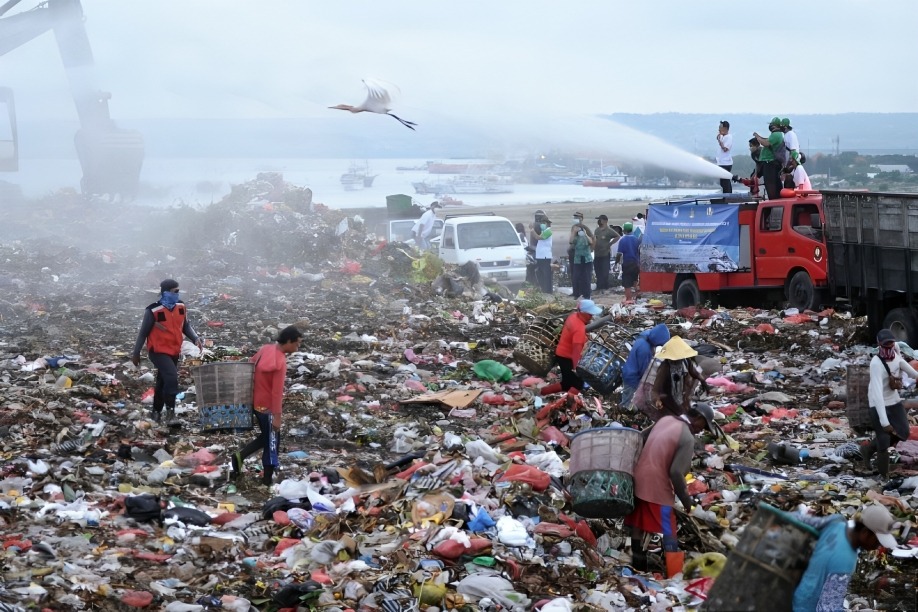
The island receives millions of visitors annually, and alongside its expanding local population, this creates enormous pressure on waste handling infrastructure. Landfills across Bali are operating at or beyond capacity, while many facilities lack the technology and resources needed to process waste efficiently. Traditional dumpsites have become environmental hazards, affecting water quality and soil health across multiple regions.
Key waste management problems include limited recycling programs, inadequate separation of organic and non-organic materials, and insufficient funding for modernized disposal facilities. Many communities still rely on open burning or informal dumping methods, which contribute to air and water pollution. The lack of coordinated regional solutions has made the problem increasingly complex.
Local authorities have acknowledged the crisis and proposed several initiatives to address the situation. These include plans for new processing facilities, expansion of recycling programs, and partnerships with private waste management companies. However, implementation remains slow due to budgetary constraints and competing development priorities.
Tourism businesses and environmental organizations in Bali are increasingly collaborating to reduce waste at the source. Hotels and resorts are adopting plastic reduction policies, while community groups promote awareness campaigns about sustainable practices. These grassroots efforts complement government initiatives, though systemic change requires larger-scale investment.
The international attention shines a light on Bali's need for comprehensive waste management reform. Sustainable solutions require modernized infrastructure, stronger regulatory enforcement, and ongoing cooperation between government, private sector, and community stakeholders. For Bali to maintain its status as a premier destination while protecting its environment, addressing the waste crisis has become urgent and unavoidable.
Visitors and residents alike play a role in supporting these efforts by making conscious consumption choices and supporting businesses committed to environmental responsibility. As Bali continues to develop, balancing growth with environmental protection remains essential for the island's long-term prosperity and livability.