Bali's Waste Management Gets Better: What Tourists Should Know
Bali is rolling out new waste management initiatives that are starting to deliver real results across the island. Here is what travelers should know about these encouraging changes.
Bali is finally turning a corner on one of its most persistent challenges: waste management. After years of growing concern over plastic pollution, overflowing landfills, and litter washing onto popular beaches, fresh initiatives are beginning to show measurable progress across the island. For travelers planning a trip, these developments signal a cleaner and more sustainable destination.
The positive shift comes from a combination of stronger government policy, community led clean up programs, and increased investment in recycling infrastructure. Local authorities have been working to expand waste collection services in both urban centers and rural villages, areas that have historically struggled with limited access to proper disposal systems.
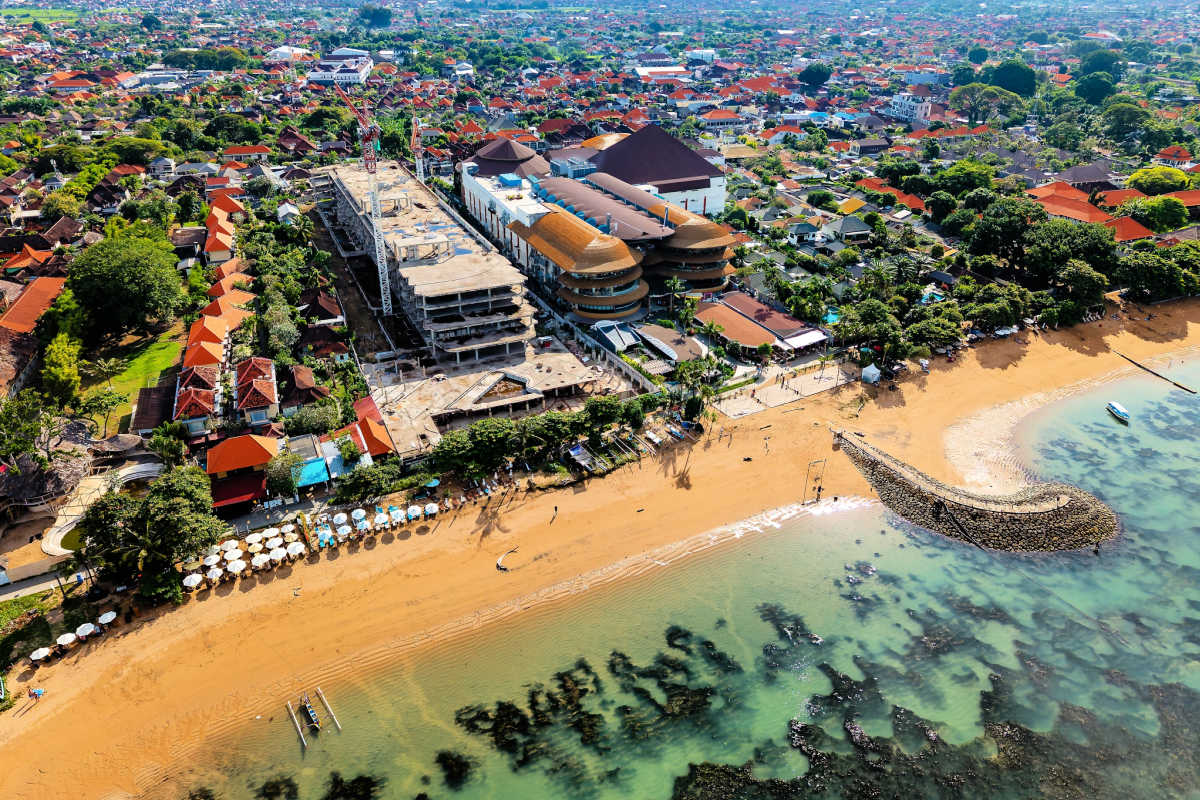
One of the most visible improvements involves the island's beaches. Volunteer groups, environmental organizations, and hospitality businesses have ramped up regular clean up efforts, particularly during the wet season when ocean currents tend to push debris ashore. The result is cleaner coastlines in many of Bali's most visited areas, from Kuta to Seminyak.
Bali has also continued to enforce its ban on single use plastics, including plastic bags, straws, and polystyrene containers. The policy, introduced to reduce the volume of waste entering rivers and oceans, has encouraged many businesses to adopt reusable and biodegradable alternatives. Visitors will notice more eco friendly packaging at cafes, restaurants, and shops across the island.
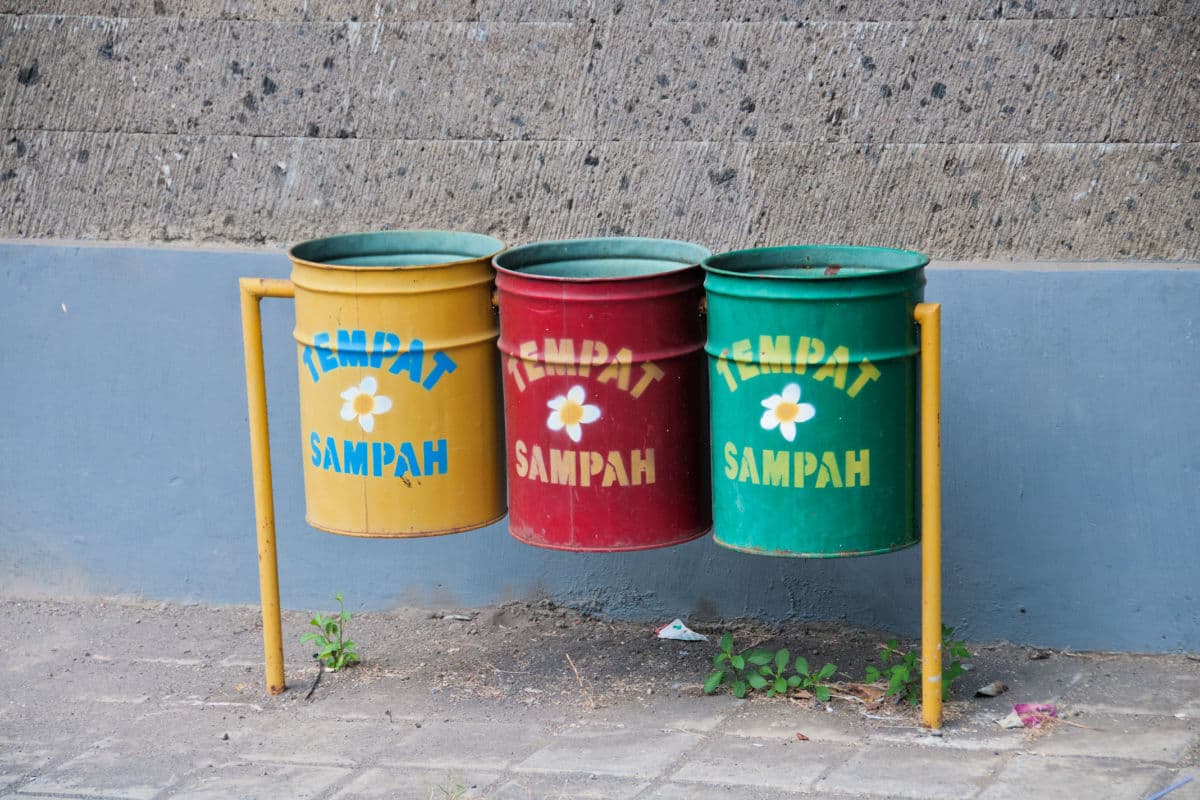
For tourists, the message is simple: small actions make a difference. Carrying a reusable water bottle, declining plastic bags, and disposing of rubbish responsibly all support the island's ongoing efforts. Many accommodations now provide refill stations and recycling bins to make sustainable choices easier for guests.
Travelers who want to give back can also join organized beach clean ups, which are regularly hosted by local communities and welcome international participants. These events offer a meaningful way to connect with Bali while helping protect the natural beauty that draws millions of visitors each year.
While challenges remain, the recent momentum offers genuine reason for optimism. With continued cooperation between authorities, residents, businesses, and tourists, Bali is steadily building a more sustainable future. For anyone visiting the Island of the Gods, these improvements mean a cleaner, greener, and more responsible holiday experience.