Balinese Cuisine: How Food Tells the Island's Cultural Story
Bali's culinary traditions run far deeper than restaurant menus, reflecting centuries of ritual, local farming, and ancestral wisdom. Visitors seeking authentic experiences can now reconnect with the island's food forests and traditional cooking methods through immersive experiences.
Food in Bali serves as far more than sustenance. Every dish carries the weight of history, ritual, and deep connection to the land itself. The island's culinary traditions reveal stories about its people, environment, and customs passed down through generations. From family recipes to ceremonial feasts, Balinese cuisine functions as a living cultural ambassador that speaks volumes about the values and heritage of the communities who create it.
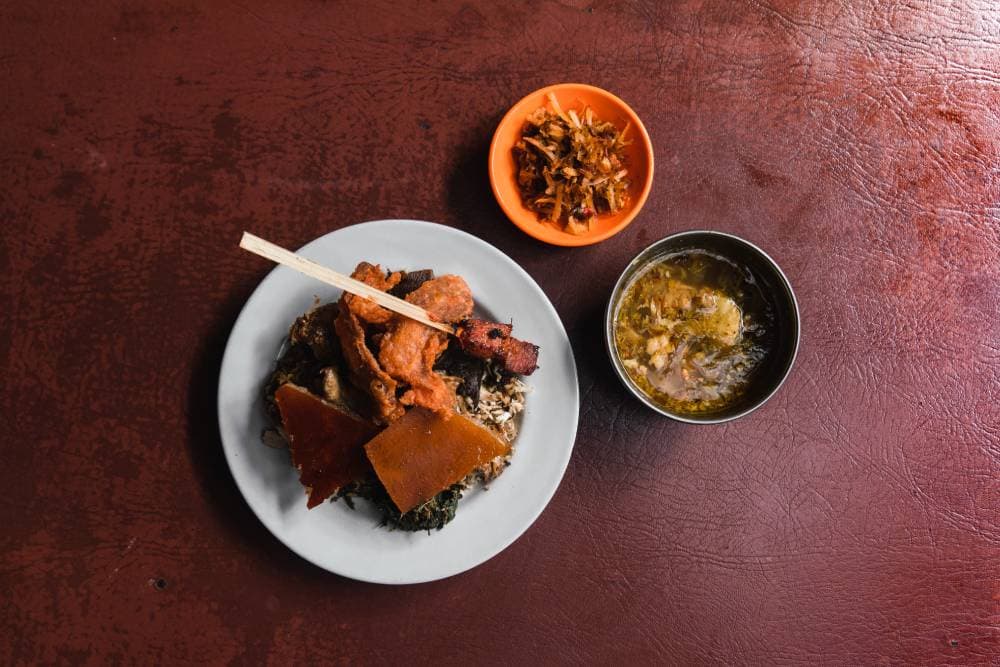
While Bali's restaurant scene has flourished into a world-class destination offering everything from health-conscious cafes to fine dining establishments across Ubud, Seminyak, and Uluwatu, authentic cultural exploration through food extends well beyond these establishments. Visitors genuinely interested in understanding Bali's essence can venture into the island's local food scene, where meals become windows into genuine tradition and heritage.
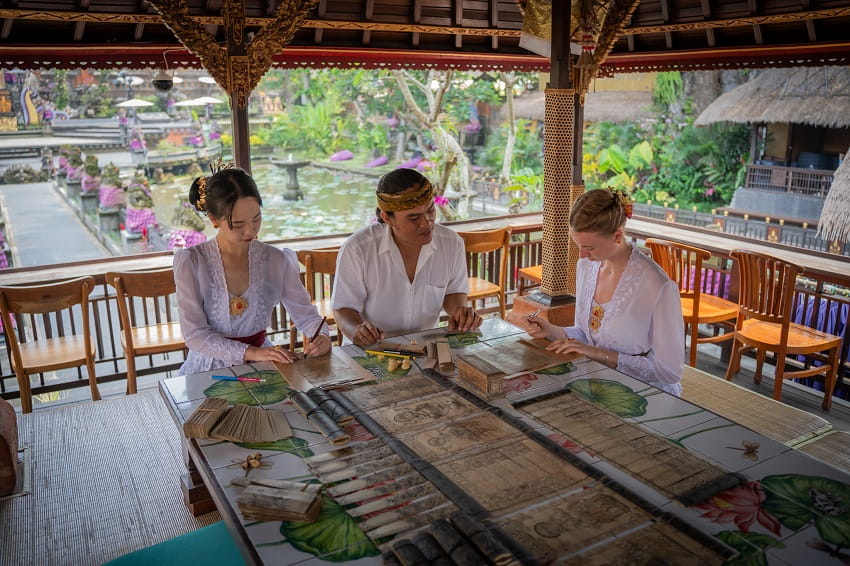
One pioneering approach to food education comes through immersive foraging experiences in Bali's countryside. These journeys take participants beyond restaurant walls and into the actual environments where Balinese ingredients originate. Expert guides lead visitors through the island's food forests, identifying plants and vegetables most outsiders have never encountered, while sharing traditional knowledge passed down through lontar manuscripts documenting plant properties for centuries.
These foraging expeditions typically take place in Bali's Tabanan Regency, where jungle landscapes remain abundant with wild ingredients integral to traditional Balinese cooking. Participants learn to identify vegetation sustainably, gather ingredients responsibly, and understand the ecological relationships that Balinese ancestors cultivated over generations. This direct engagement with nature reconnects visitors to food sources in ways modern society often obscures.
The learning continues in traditional kitchens where guides teach authentic Balinese cooking techniques using the day's foraged ingredients. Participants gain hands-on experience preparing dishes using methods that have remained largely unchanged for centuries. This practical education transforms abstract cultural knowledge into tangible skills and deeper appreciation for culinary traditions.
The experiences culminate in shared feasts prepared entirely from freshly foraged ingredients and traditional recipes. These meals taste distinctly different from restaurant versions because they feature wild plants in their proper context, prepared using ancestral methods. Diners finish understanding not just how Balinese food tastes, but why it matters culturally and environmentally.
For travelers seeking meaningful connection with Bali beyond typical tourism, food offers a powerful entry point. By engaging with local ingredients, traditional preparation methods, and the stories embedded in every recipe, visitors participate in preserving and honoring the island's cultural heritage. Bali's culinary traditions ultimately remind us that food represents far more than what appears on a plate, embodying the collective wisdom and identity of an entire people.