Digital Dalang: How Bali's Shadow Puppet Masters Are Going Online
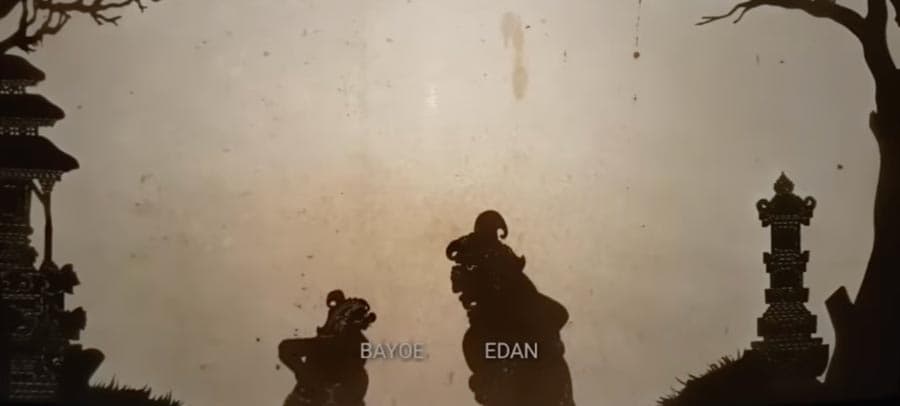
Bayoe Edan, a modern shadow puppet master, is bringing wayang kulit into the digital age through YouTube, blending ancient storytelling traditions with contemporary social commentary. His innovative approach shows how Balinese cultural practitioners are adapting to preserve tradition while engaging younger audiences.
Bali's traditional performing arts are experiencing a profound transformation as cultural practitioners find new ways to reach modern audiences. At the forefront of this movement is Bayoe Edan, a shadow puppet master who has taken the ancient art of wayang kulit from the temple stage to YouTube. By blending classical storytelling techniques with digital platforms, he represents a fascinating intersection between Balinese heritage and contemporary media.
The island has long grappled with balancing cultural preservation against the pressures of globalization and rapid modernization. Traditional theatre forms like wayang kulit, Arja, and Drama Gong have historically served as vehicles for spiritual teaching and social commentary within Balinese communities. Today, as younger generations grow increasingly disconnected from these customs, cultural innovators are reimagining how these stories can remain relevant and accessible.
Bayoe Edan, whose name translates to "Crazy Wind," represents a new breed of dalang who has stepped beyond the confines of ritual performance. Rather than strictly adhering to classical mythological narratives, he uses his online presence to explore the tensions between traditional Balinese spirituality and modern life. His content addresses real concerns facing contemporary Balinese people navigating rapid social change, family pressures, and spiritual confusion in an increasingly digital world.
Born in 1972 as Wayan Sutama, Edan inherited the cultural foundation necessary for this role. His father served as a temple priest, exposing him from childhood to the sacred mantras and ritualistic practices that form the backbone of Balinese spiritual life. This deep-rooted connection to temple culture equipped him with the spiritual authority and knowledge required to interpret traditional stories for modern contexts.
What distinguishes Edan's approach is his refusal to simply preserve tradition unchanged. Instead, he acts as a cultural translator, using anecdotes and contemporary examples to help his followers understand how ancient wisdom applies to modern challenges. His digital format allows him to engage in ongoing dialogue with his audience, receiving questions and crafting responses that demonstrate the living relevance of Balinese thought.
This digital evolution reflects broader trends in how Balinese artists are adapting their crafts. Dance has shifted toward formal cultural presentation for tourism and international stages. Comedy elements in traditional theatre have gained prominence. Even spiritual teachings have migrated from temple recitations to educational online content. Edan's work fits within this larger pattern of cultural adaptation.
The emergence of digital dalangs like Bayoe Edan suggests that Balinese culture is not passively disappearing but actively evolving. By meeting audiences where they already spend their time, these cultural innovators create pathways for tradition to remain alive and meaningful. His success demonstrates that younger Balinese people retain genuine interest in their heritage when presented in accessible, relevant formats that speak to their daily experiences.
As Bali continues navigating the challenges of modernization and cultural change, practitioners like Edan offer a model for cultural resilience. By refusing to treat tradition as a museum artifact locked in the past, they show how ancient wisdom can generate genuine value in contemporary life. The digital dalang represents not the death of wayang kulit, but its unexpected rebirth.