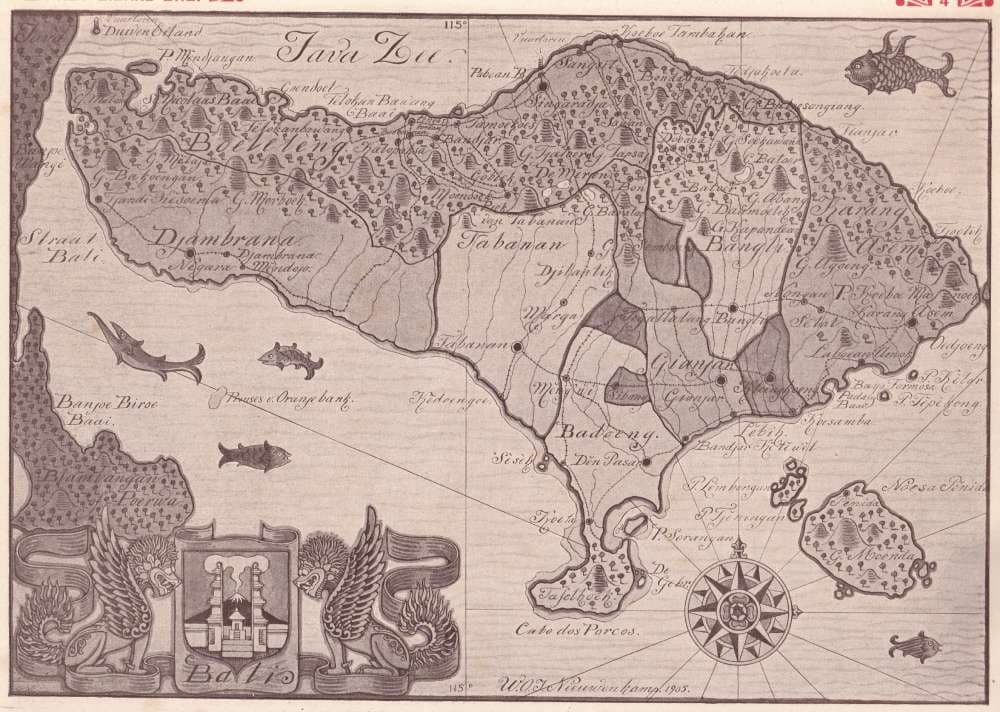
Dutch Pioneer W.O.J. Nieuwenkamp: The First European Artist to Document Bali
Dutch artist W.O.J. Nieuwenkamp arrived in Bali in 1904 and became the first European to extensively document the island through art. His sensitive drawings and etchings helped introduce Bali's culture and beauty to the Western world.
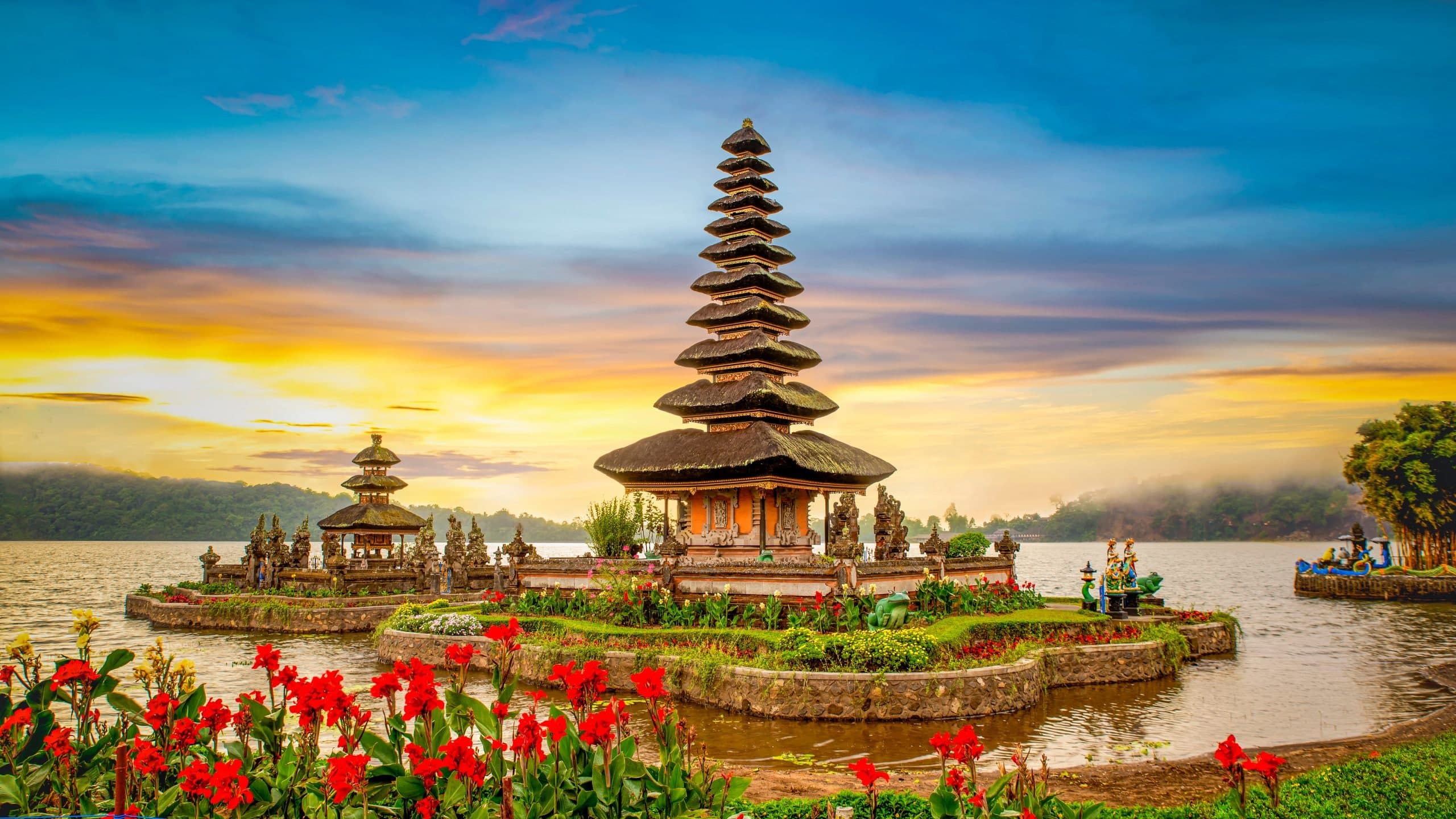
The early 20th century witnessed a transformative moment in Bali's history when European artists began arriving on the island, captivated by its stunning landscapes, Hindu spirituality, and thriving artistic heritage. Among these cultural pioneers, Dutch artist W.O.J. Nieuwenkamp holds a distinguished place as the first European to comprehensively document the island through his work. Beginning in 1904, Nieuwenkamp created an extensive collection of drawings, etchings, and illustrated books that captured the essence of Balinese temples, sacred rituals, and daily life with remarkable sensitivity and artistic vision.
Wijnand Otto Jan Nieuwenkamp (1874 to 1950) was a multitalented Dutch creative whose restless curiosity drove him to travel across the globe, from Egypt to India, throughout his career. His personal motto, Vagando Acquiro, or "While wandering, I acquire," perfectly reflected his philosophy of life as a continuous journey of artistic and cultural discovery. Between 1898 and 1937, Nieuwenkamp visited the Netherlands Indies on six separate occasions, but it was Bali that ultimately captured his heart and imagination most profoundly.
Nieuwenkamp's connection to Bali began during his first visit in 1904, when he was immediately struck by the island's artistic and cultural richness. He wrote with palpable excitement about the abundance of subjects waiting to be discovered and immortalized through art. Recognizing the historical importance of documenting what he witnessed, Nieuwenkamp dedicated himself to creating a comprehensive artistic record of the island. His work ultimately produced valuable visual and historical documentation of early 20th-century Bali that remains studied and celebrated today.
Following Nieuwenkamp's pioneering arrival, other notable European artists were drawn to Bali throughout the 1920s and 1930s, including Walter Spies, Rudolf Bonnet, Adrien-Jean Le Mayeur, and Willem Hofker. These creative figures contributed their own artistic visions to the growing international understanding of Balinese culture. Together, their collective work helped shape Western perceptions of Bali as an exotic paradise and cultural treasure.
Through their paintings, etchings, and written descriptions, these early European artists romanticized and popularized Bali as an unspoiled island of beauty and spiritual significance. Their artistic output and personal narratives captivated Western audiences and sparked widespread international interest in Balinese traditions, arts, and landscapes. This cultural fascination helped establish the foundation for tourism development on the island, long before modern mass travel became commonplace.
Nieuwenkamp's legacy extends beyond his artistic contributions, as his work serves as a crucial historical window into Bali during a pivotal period of transition. His sensitive portrayals of Balinese life, temple architecture, and cultural practices offer invaluable insights into the island as it existed more than a century ago. Today, his drawings and etchings continue to be valued by scholars, cultural historians, and art enthusiasts seeking to understand Bali's rich heritage and the early encounters between European and Balinese artistic traditions.