Major 7.7 Earthquake Strikes Flores, Sends Shockwaves Through Bali Region
A powerful magnitude 7.7 earthquake has devastated Flores in East Nusa Tenggara, with at least 38 confirmed deaths and hundreds of aftershocks recorded. The seismic event impacts the broader eastern Indonesia region including neighboring Bali.
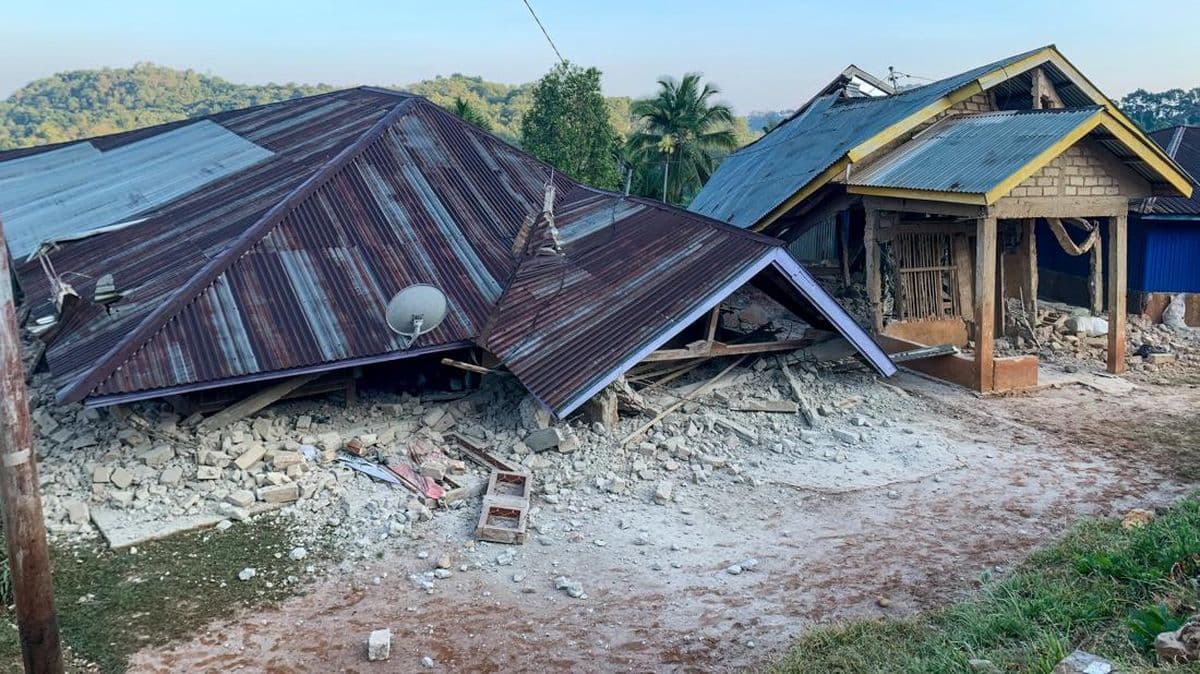
A devastating magnitude 7.7 earthquake has struck off the coast of Flores in East Nusa Tenggara, marking one of the most significant seismic events to affect eastern Indonesia in recent times. The powerful quake resulted in at least 38 confirmed fatalities, with rescue and recovery operations continuing across the affected region. Residents throughout the broader eastern Indonesian archipelago, including those in nearby Bali, experienced noticeable tremors from the initial impact.
The earthquake's intensity has been followed by an extensive sequence of aftershocks, with geologists recording more than 235 separate tremors in the days following the main event. These repeated seismic movements have complicated rescue efforts and raised concerns about structural damage to buildings and infrastructure across Flores and surrounding areas. Authorities have urged residents to remain vigilant and prepared for potential additional seismic activity.
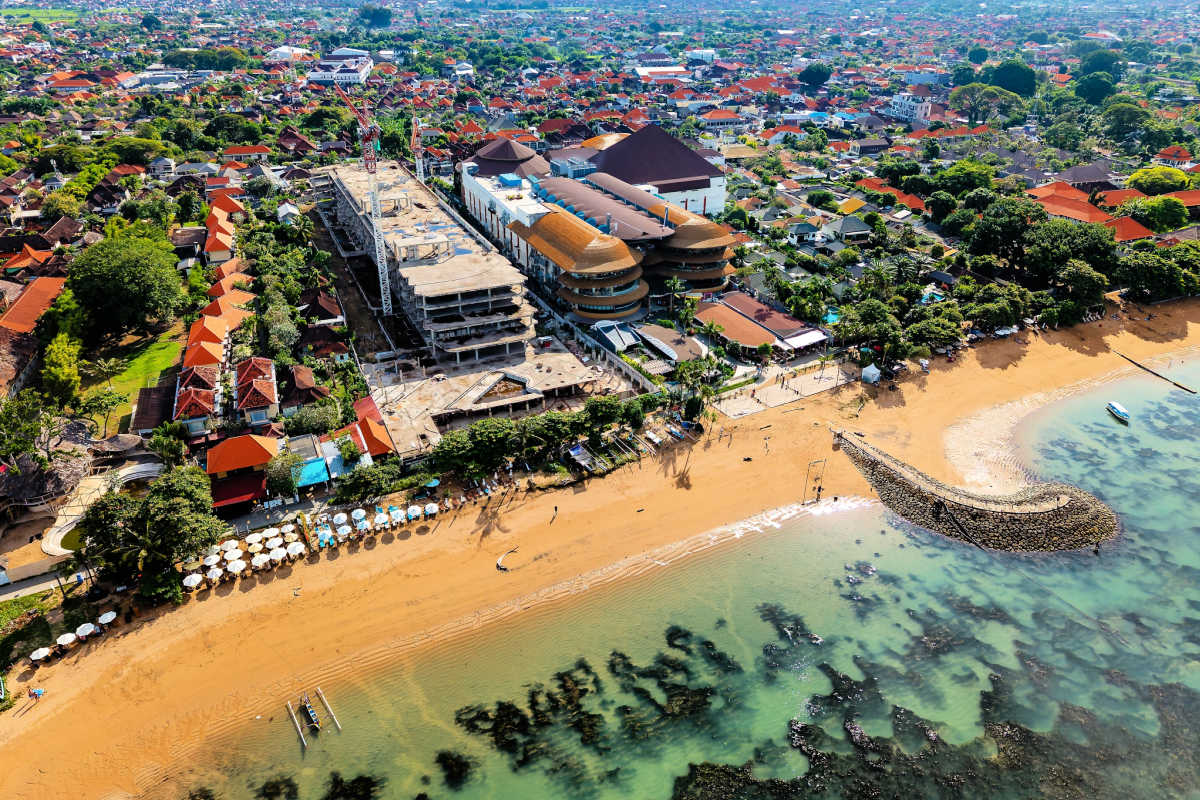
For travelers and residents in Bali, the earthquake serves as a reminder of the region's position along the Pacific Ring of Fire, one of the world's most seismically active zones. While Bali itself experienced minor effects from the distant quake, the island's tourism and hospitality sectors have remained largely unaffected. Local authorities have issued standard safety advisories but report that normal operations continue across the island's resorts, attractions, and businesses.
Disaster response teams have mobilized across East Nusa Tenggara to assess damage, provide humanitarian aid, and support affected communities. Communication challenges in remote areas have complicated initial assessments, though reports indicate widespread structural damage to homes and public buildings. The Indonesian government has declared a state of emergency and coordinated resources from multiple agencies to assist those impacted.
Geologists and seismic experts have noted that this earthquake reflects the ongoing tectonic activity characteristic of eastern Indonesia's geological landscape. The region sits along a complex system of fault lines and plate boundaries, making it particularly vulnerable to major seismic events. Understanding these patterns helps authorities and communities prepare for future earthquakes and minimize potential impacts on lives and infrastructure.
For visitors planning trips to Bali or the broader region, current travel advisories remain stable, and the island continues welcoming international guests. However, travelers to East Nusa Tenggara should monitor local news and follow guidance from Indonesian authorities regarding conditions in affected areas. Travel insurance and emergency preparedness remain sensible considerations when visiting any location in Indonesia's seismically active zones.