Venice's Tourist Tax Hike: What Bali Can Learn About Tourism Reform
Venice is raising its daily tourist tax to curb overtourism, sparking discussion about whether Bali could adopt similar reforms. Smart tax policies could help the island balance visitor numbers with community and environmental needs.
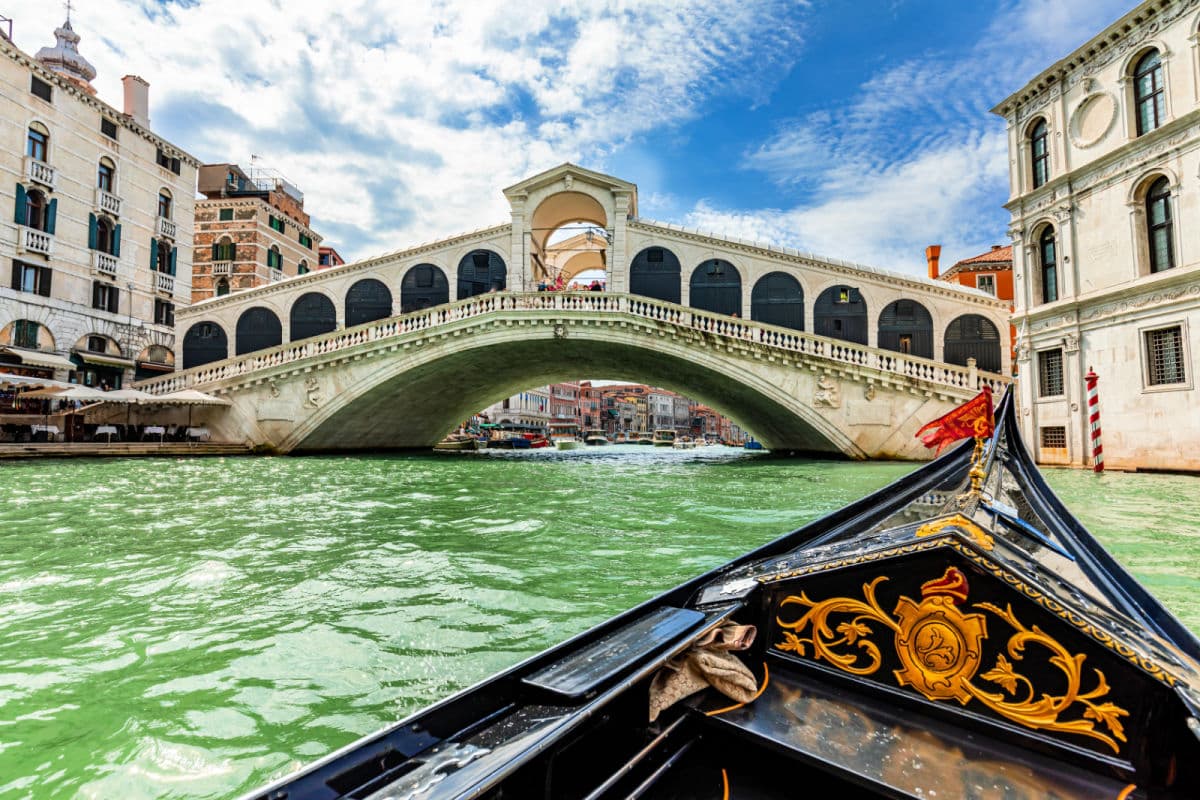
Venice has become the latest world-famous destination to overhaul its tourism strategy, announcing an increase to its daily tourist tax in an effort to manage the relentless flow of visitors. The move places the historic Italian city among a growing list of global hotspots taking firm action against the pressures of mass tourism. For Bali, a destination facing many of the same challenges, the news offers timely food for thought.
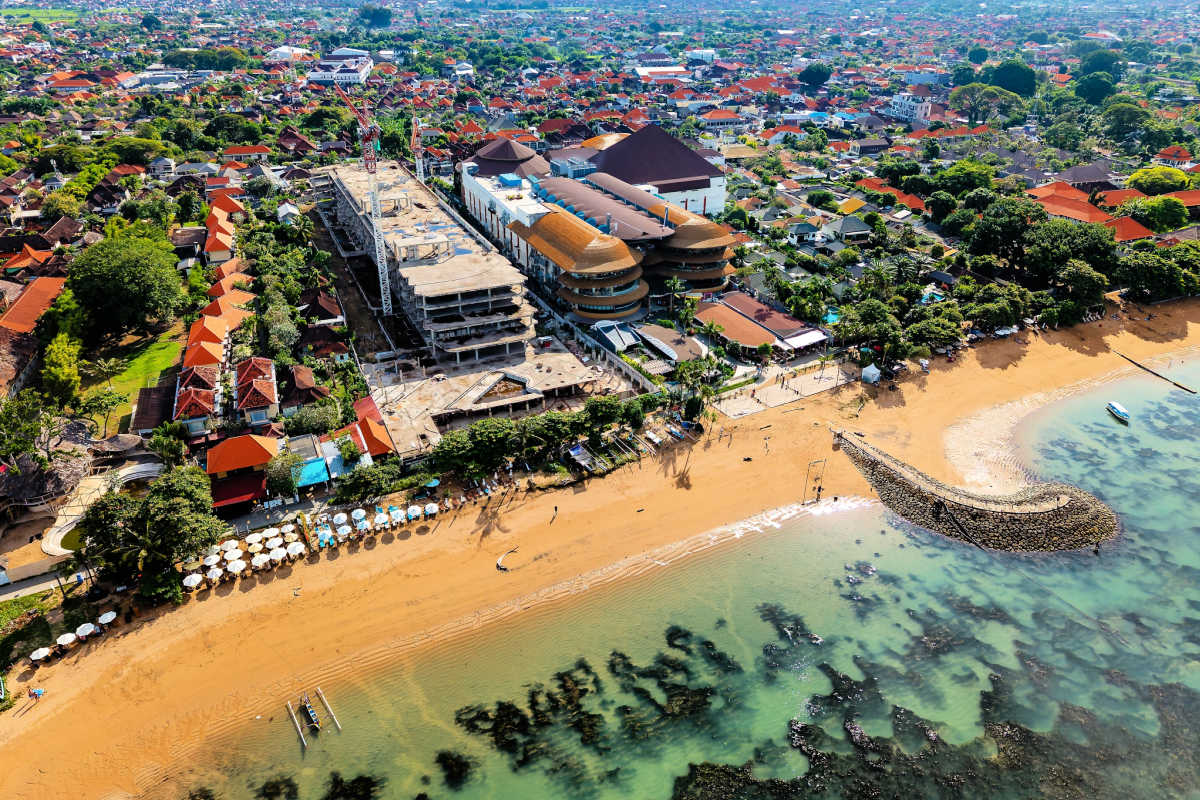
Bali is one of the most extraordinary travel destinations on the planet, but its popularity comes with a cost. Like cities from Madrid to Bangkok, the island must constantly balance the interests of tourists, local residents, businesses, and the natural environment. As visitor numbers climb year after year, the question of how to manage growth sustainably has never been more pressing.
Venice's approach centers on using a daily levy to discourage overcrowding during peak periods while generating revenue that can be reinvested into the city. The logic is straightforward: by adjusting the cost of entry, authorities hope to spread visitors more evenly and ease the strain on fragile infrastructure and heritage sites. It is a strategy that resonates strongly with the issues Bali continues to confront.
Bali already introduced a tourism levy of IDR 150,000 for international arrivals, with funds intended to support cultural preservation and environmental protection. However, compliance has been inconsistent, and many observers argue the current system has yet to reach its full potential. Venice's example suggests there may be room to refine and strengthen how such taxes are applied and enforced.
A well-designed tourism tax could deliver real benefits for the island. Revenue could be directed toward managing waste, protecting rice fields and beaches, maintaining temples, and improving public services that both residents and visitors rely on. If structured carefully, the system could help ease the burden of overtourism in hotspots such as Canggu, Kuta, and Ubud.
The key, as Venice's experience shows, lies in clear communication and consistent enforcement. Tourists are generally more willing to pay when they understand where their money goes and see tangible results. Transparency around how funds are spent could build trust and encourage greater compliance across the board.
For Bali, the lesson from Venice is not simply about charging more. It is about using thoughtful tourism reform to create a healthier balance between economic growth and the wellbeing of local communities and the environment. As global destinations rethink their policies, Bali has a valuable opportunity to learn from the successes and missteps of others and shape a more sustainable future for its tourism industry.