Bali's Trading Heritage: Exploring Ancient Cities That Shaped Global Commerce
Bali's ancient cities reveal a fascinating legacy as one of Southeast Asia's most vital trading hubs for centuries. Today, visitors can discover how this island shaped international commerce through spices, textiles, and goods that attracted merchants worldwide.
Bali's position as a major trading center has shaped centuries of global commerce, yet many visitors overlook this crucial aspect of the island's identity. From the 16th century onward, merchants and traders from across the world converged on Bali to exchange valuable commodities. The island served as a essential crossroads where spices, textiles, furniture, and fresh produce changed hands, making Bali one of the Indonesian archipelago's most sought-after destinations for commercial activity.
The economic influence of these ancient trading routes extended far beyond the island itself. Bali's ports and marketplaces became legendary among international traders, attracting ship captains and merchants from Europe, Asia, the Middle East, and beyond. The wealth generated through these exchanges shaped Balinese society, architecture, and culture in profound ways that remain visible today in the island's ancient cities.
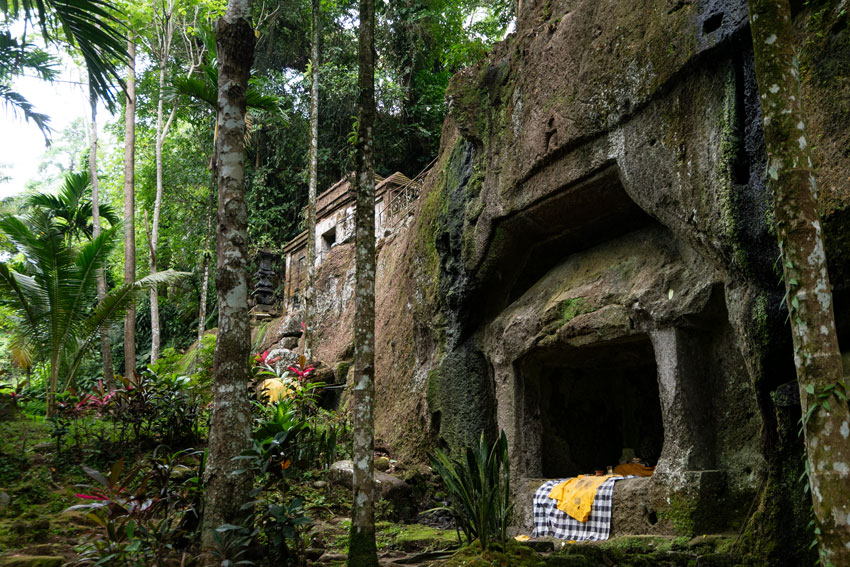
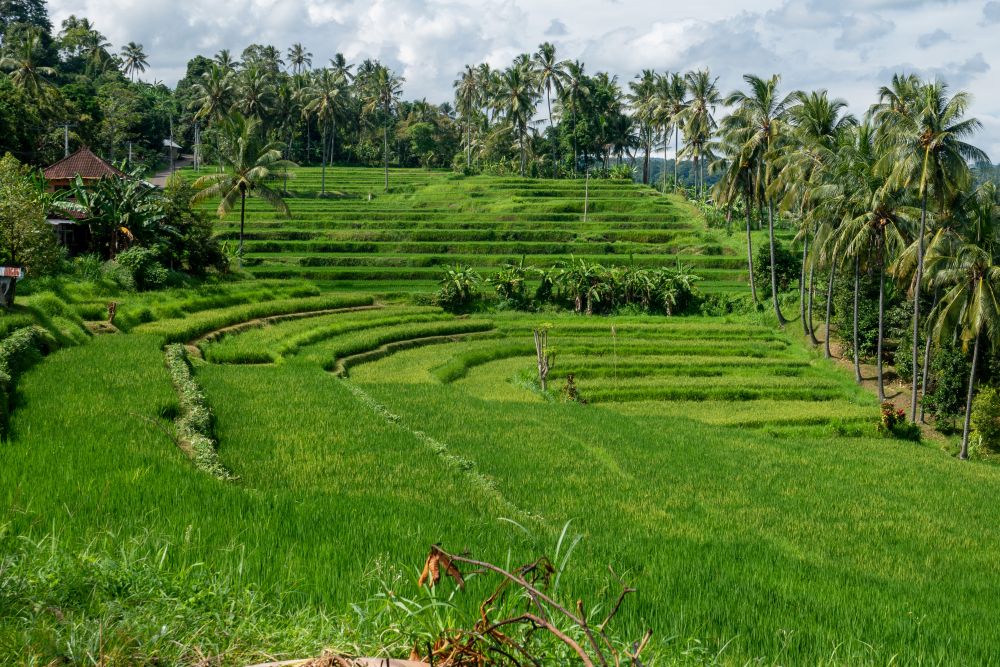
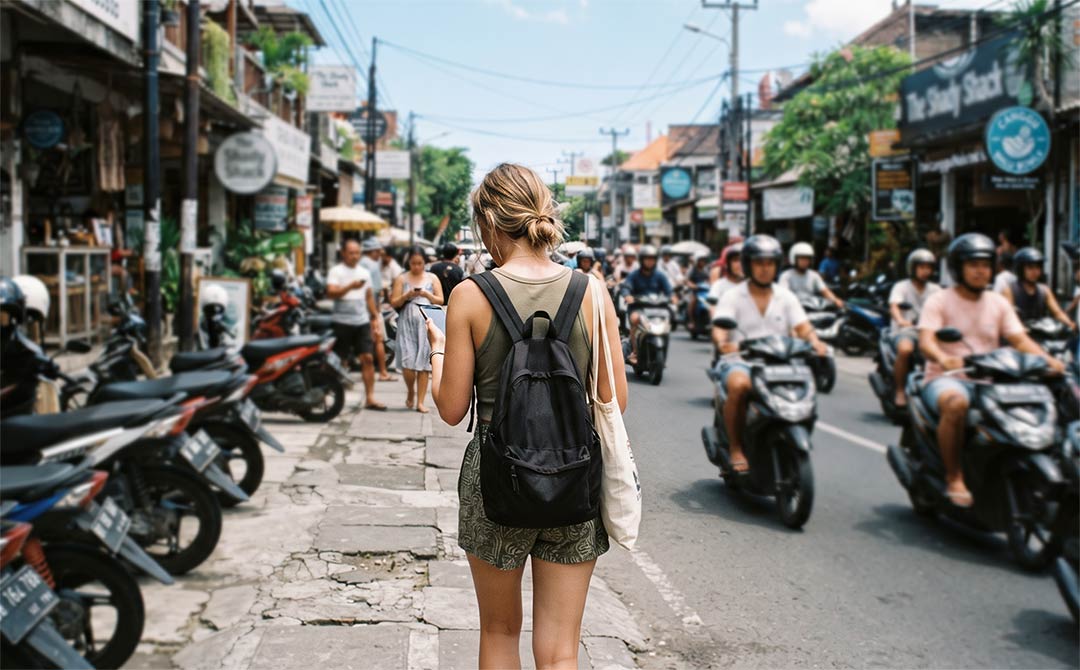
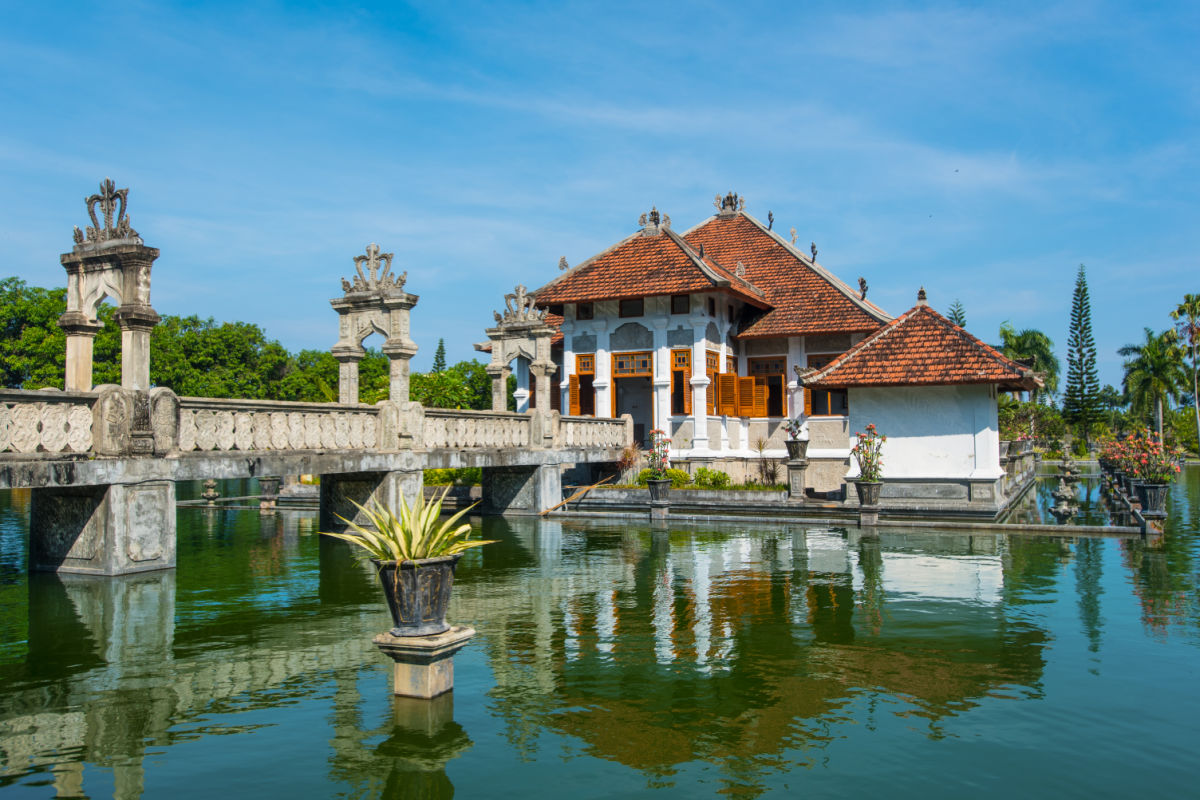
Today's Bali attracts millions of tourists annually, yet most focus on beaches, temples, and rice terraces without understanding the commercial networks that once made the island famous worldwide. The ancient trading cities that served as epicenters of this historical exchange remain standing, offering a window into Bali's cosmopolitan past. These settlements showcase the architectural and cultural fusion that resulted from centuries of cross-cultural merchant interaction.
Visiting Bali's historic trading centers provides tourists with a richer, more complete understanding of the island's role in world history. Rather than viewing Bali solely as a modern beach destination, travelers can explore the ancient commercial quarters where fortunes were made and cultures collided. This perspective transforms a typical vacation into an educational journey through one of Southeast Asia's most important historical regions.
Exploring these ancient cities reveals how trade shaped not just economics, but also art, cuisine, religion, and daily life across Bali. The legacy of international commerce is embedded in local traditions, architectural styles, and even the products still produced and exported from the island today. Understanding this heritage allows modern visitors to appreciate Bali as both a historical powerhouse and a contemporary destination worth exploring beyond typical tourist circuits.