Bali Coffee Prices Set to Climb in 2026 as Production Costs Rise
Bali's renowned coffee industry faces mounting production expenses that will likely push up prices for visitors seeking their morning flat white. Local growers and roasters warn of significant cost increases coming to the island's beloved café culture.
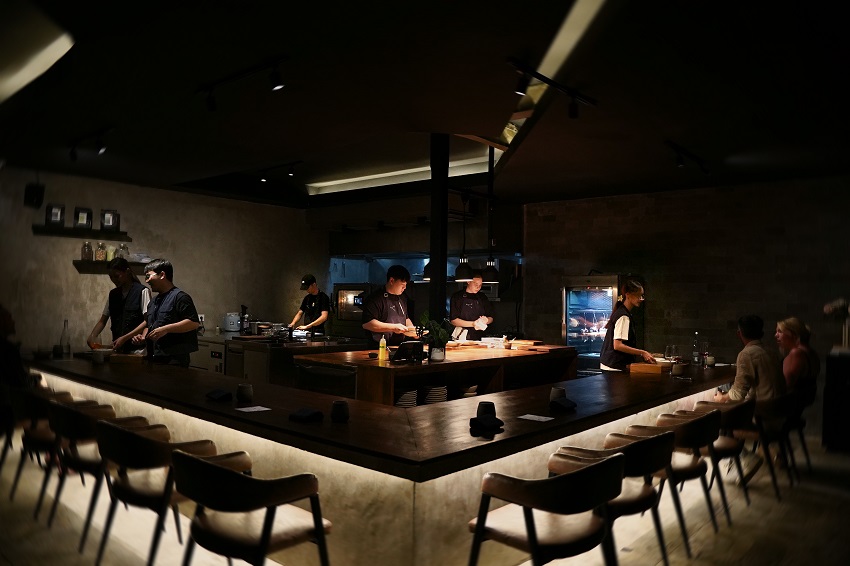
Coffee runs through the veins of Bali and Indonesia like few other commodities. The island's café culture is more than just a morning ritual, it is a way of life that fuels daily routines from dawn until well past midnight. Whether travelers are sipping espresso at a clifftop café in Ubud or grabbing a quick brew at a local warung, coffee consumption is woven into the fabric of island existence.
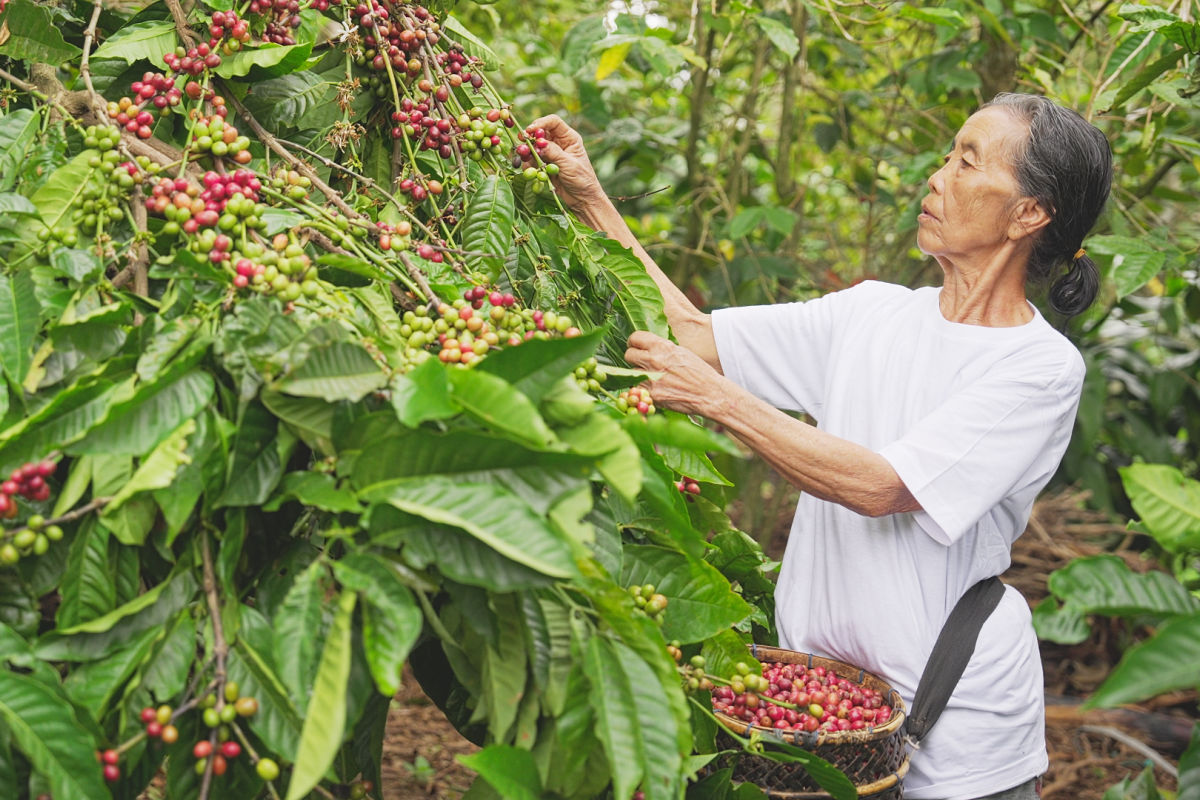
Bali's coffee has earned international acclaim over the past two decades, with specialty roasters and coffee shops attracting visitors from around the globe. The island's volcanic soil and tropical climate create ideal conditions for growing high quality arabica and robusta beans. This reputation has transformed coffee from a simple commodity into a premium tourism experience, with visitors often willing to pay premium prices for authentic Balinese brews.
However, the industry now faces significant headwinds. Coffee growers and roasting operations across Bali have begun warning of rising production costs that will inevitably reach consumer prices. From agricultural inputs and labor expenses to international shipping rates and energy costs, every stage of the supply chain faces upward pressure. These mounting expenses threaten to change the economics of coffee production on the island.
Industry insiders expect these cost increases to manifest clearly by 2026, when visitors may notice higher prices on café menus across popular tourist destinations. A simple flat white, the quintessential café drink enjoyed by millions of visitors annually, will likely carry a steeper price tag. Bali's coffee shop operators are caught between rising operational costs and the need to maintain competitive pricing in a crowded hospitality market.
Local producers emphasize that quality and sustainability require investment. Many growers maintain that higher prices reflect genuine production challenges rather than profit maximization. The conversation between farmers, roasters, and café operators will shape how Bali's coffee industry evolves over the coming years. For now, visitors to the island should savor their morning coffee while prices remain at current levels.
The broader implications extend beyond tourism economics. Rising costs could impact smaller family farms that have stewarded Bali's coffee heritage for generations. Supporting local coffee producers through fair pricing helps preserve both the livelihoods of farming communities and the quality standards that made Balinese coffee world renowned in the first place.